
5 Core Future Skills
The top 1% of parents are teaching their kids these essential technologies and mindsets before age 15. Learn how our hands-on programs make it possible.
AI Literacy & Smart Questioning
AI can answer questions. But can your child ask the right ones?
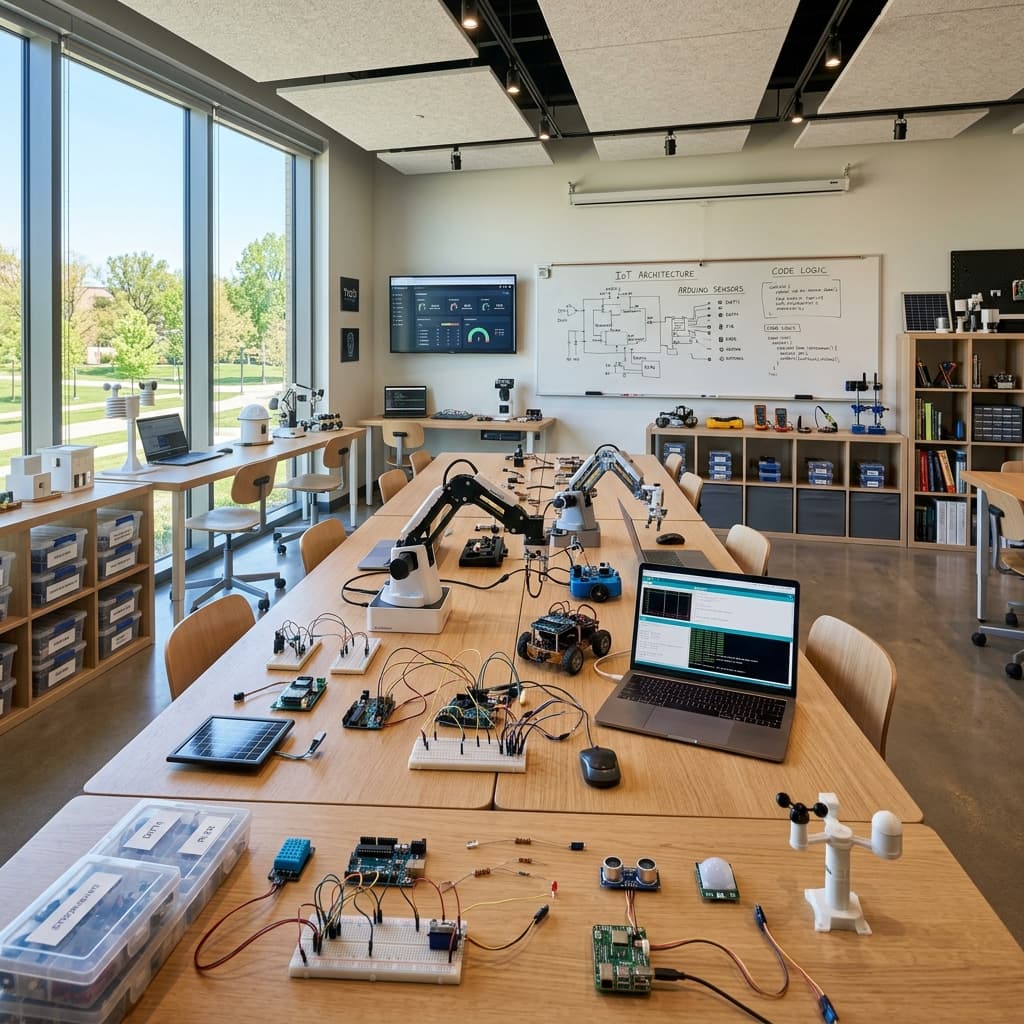
In an era where generative artificial intelligence can instantly retrieve facts and write boilerplate code, the traditional educational focus on rote memorization is obsolete. The future will not reward what children can remember; it will reward the skills that machines cannot replace - critical thinking, contextual analysis, and smart questioning. By teaching kids AI literacy, we empower them to understand the underlying mechanics of machine learning, design effective prompts, and critically evaluate outputs for bias or hallucination. They learn to view AI not as a shortcut, but as a powerful cognitive partner that amplifies human creativity. Students practice building AI workflows, curating datasets, and co-authoring structured content - developing the strategic instincts to frame complex problems, guide intelligent tools, and lead confidently in a technology-driven tomorrow.
Coding & Creative Technology
Coding teaches kids to create, not just passively consume.
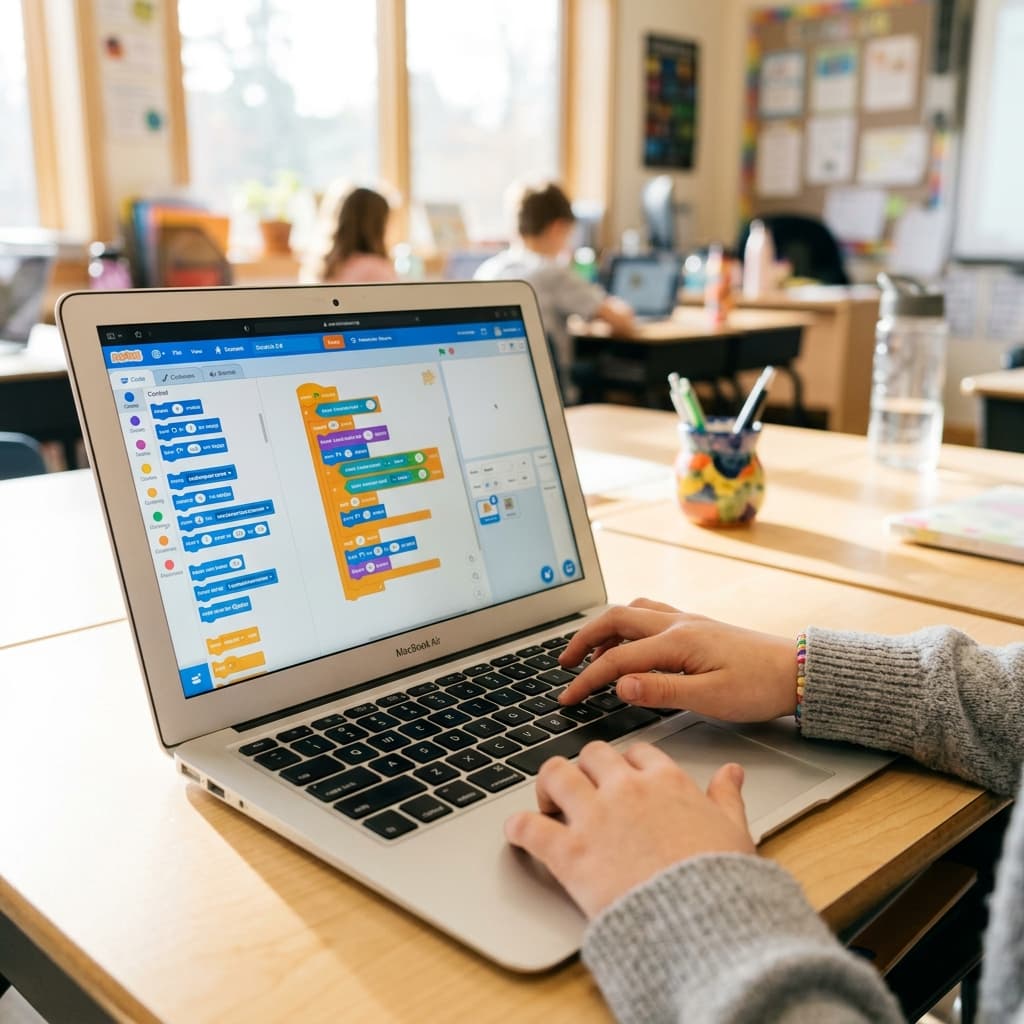
Every application, game, and digital platform that shapes our world begins with a foundation of code. When children learn to program, they transition from passive consumers of digital media to active creators and architects of their own virtual environments. Coding is a powerful canvas for logical reasoning and computational thinking. Students start by mapping visual block logic in Scratch - learning to break complex goals into nested loops, conditional variables, and event listeners - before smoothly transitioning to clean text-based syntax in Python and JavaScript. They build real mini-projects: interactive quizzes, animated stories, and browser-based games. This progressive journey develops structured thinking, sharpens pattern recognition, and trains young minds to approach any problem systematically - programming the solutions of the future.
Robotics & Applied Engineering
Ideas become real when children build, wire, and program them.
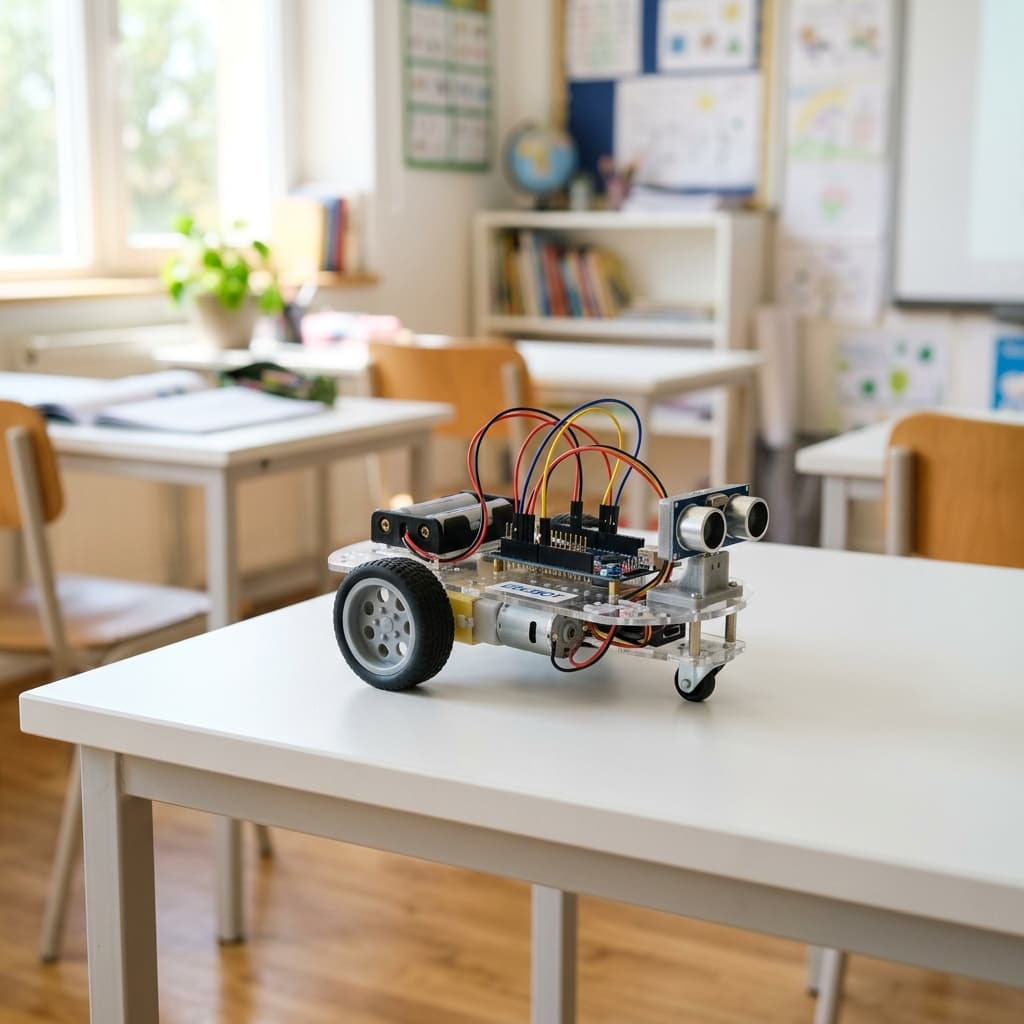
Robotics represents the exciting intersection of digital code and physical reality. While textbooks describe electronics abstractly, building a physical robot makes the principles of voltage division, current resistance, and microcontroller logic immediately tangible and memorable. By assembling automated robotic arms, configuring ultrasonic distance sensors, and debugging live breadboard circuits, children learn to troubleshoot hardware confidently with their own hands. The iterative cycle of designing a physical prototype, uploading firmware, observing real-time failure modes, and adjusting electrical connections cultivates deep mechanical intuition. Students also explore servo motor control, wireless communication between devices, and sensor fusion - building engineering instincts and resilience that no screen-based simulation can replicate.
Innovation & Design Mindset
The future belongs to problem-solvers who turn ideas into impact.
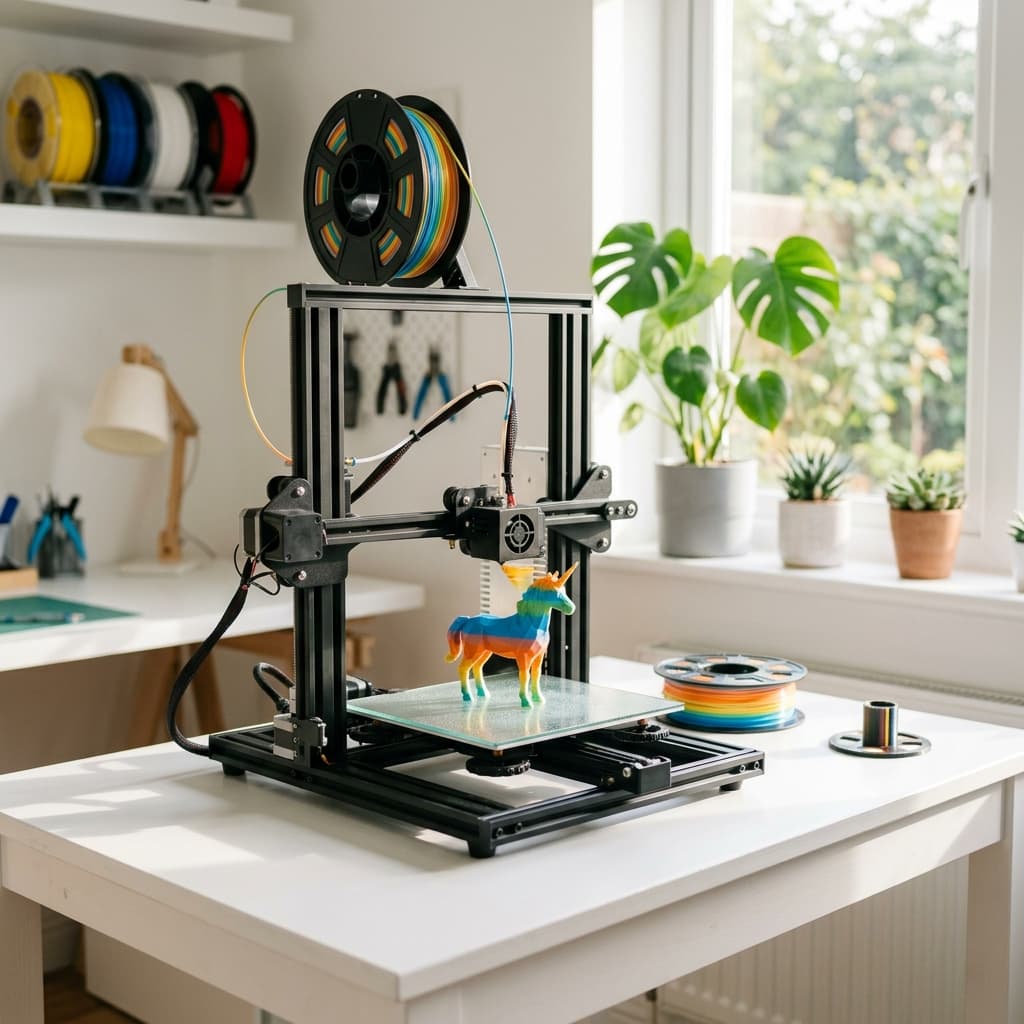
An innovation mindset encourages children to look at the world not as a static environment, but as a series of design opportunities waiting to be seized. Instead of accepting everyday limitations, kids learn to ask, "How can I make this better?" We guide them through the complete design thinking cycle: empathizing with end users, identifying real-world bottlenecks, brainstorming creative solutions, and bringing ideas to life. Students conceptualize CAD models in 3D space, calibrate extruder settings, and print working prototypes on active 3D printers. Through structured critique sessions and peer iteration, they learn that initial failure is simply a data point - not a dead end. This process demystifies modern manufacturing and instills lasting confidence in children that they can conceive, design, and deliver tangible solutions to real problems.
Adaptability & Continuous Learning
The world keeps changing. Children who adapt stay ahead.
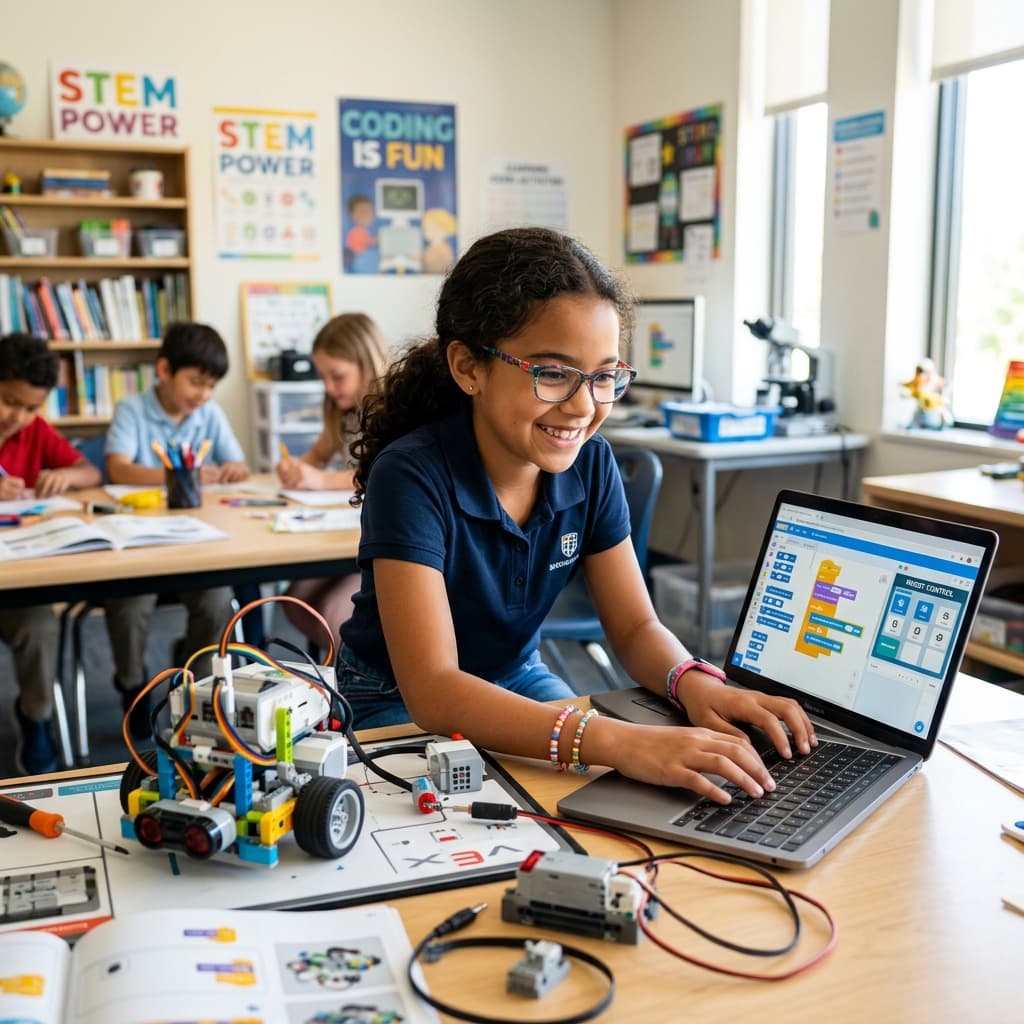
We are preparing children for careers that do not yet exist, built on technologies that have not yet been invented. Technical tools, software frameworks, and industry standards will shift dramatically multiple times throughout their professional lives. Therefore, the single most critical future capability is adaptability - the disciplined ability to learn, unlearn, and relearn continuously without losing confidence. Our curriculum deliberately places students in unfamiliar technical situations: switching programming languages mid-project, pivoting hardware platforms, or solving open-ended challenges without a prescribed answer. They learn to research independently, test hypotheses, and absorb feedback gracefully. By experiencing managed discomfort in a safe learning environment, they build the emotional resilience, intellectual curiosity, and lifelong learning agility required to thrive in any shifting global landscape.
Ready to Build Real-World Experience?
Book a trial session, explore our laboratories, or consult with our educational advisors to choose the right roadmap for your child.
